Material Trends · March 12, 2026 · 6 min read
Why Moulded Pulp Is Replacing EVA
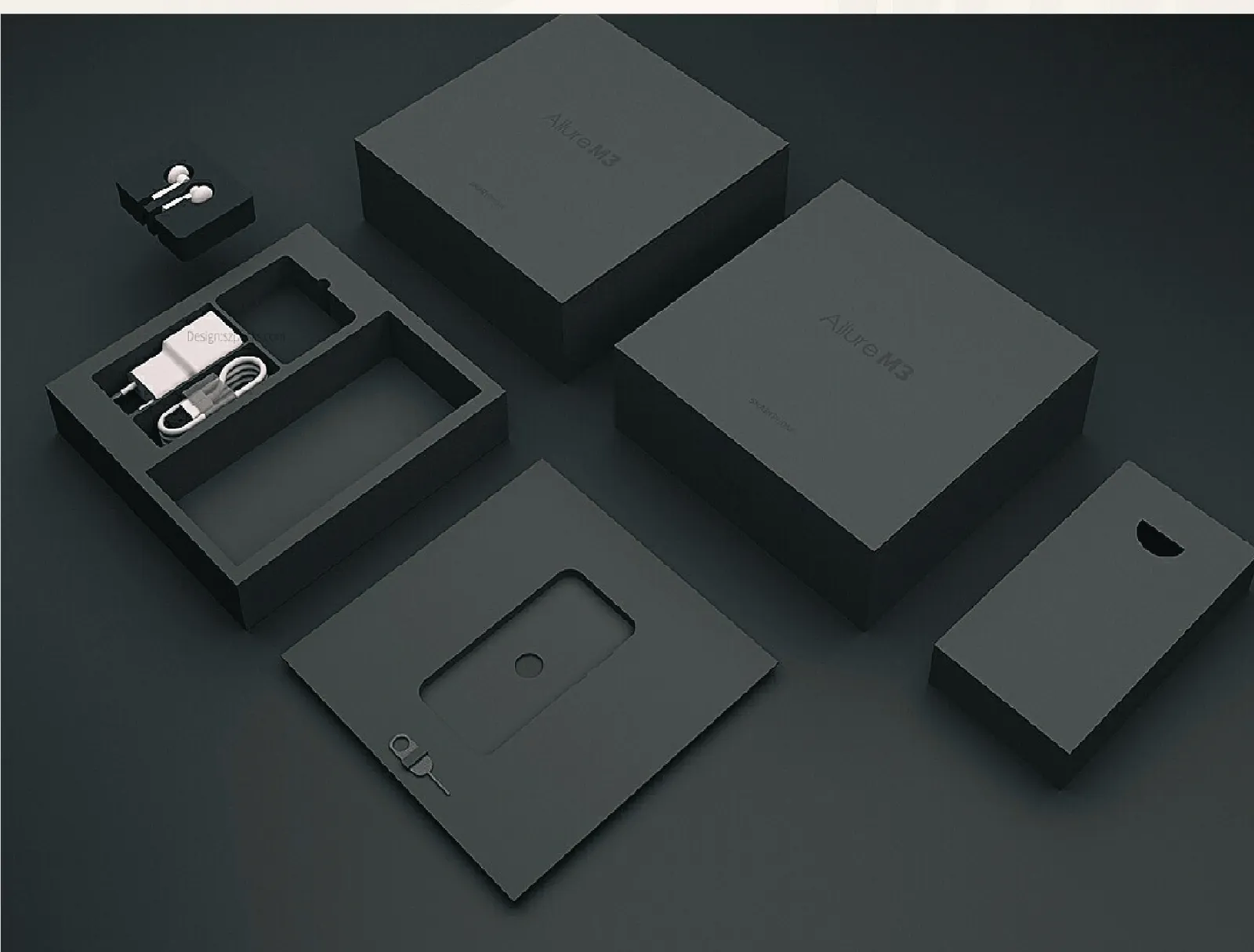
Open a phone box and the first thing thrown away is the insert. It used to be EVA foam or a thermoformed blister; increasingly it is moulded pulp — grey-white, matte, with a slightly fibrous roughness.
This is not an aesthetic choice. It is a regulatory and supply-chain choice.
Why the shift to pulp
- Recyclable: it belongs to the same recycling stream as the carton, with no need to separate materials.
- Biodegradable: breaks down within months in landfill conditions.
- Regulation-driven: the EU Packaging and Packaging Waste Regulation (PPWR) keeps tightening restrictions on single-use plastics, so export brands must plan ahead.
- Brand narrative: the matte fibrous texture is itself the visual language of "natural", more restrained than coloured foam.
What it costs you
Moulded pulp is not simply "a different material". It carries four hard constraints:
| Constraint | Detail |
|---|---|
| Tooling cost | A pulp mould requires an aluminium tool, significantly more expensive than a thermoforming mould — amortisation hurts at low volumes. |
| Tolerance | Wet-press shrinkage runs about 1–2%; dimensional accuracy is below injection moulding, so product clearance needs roughly 0.5mm more. |
| Surface | Natural fibre colour by default. Dyeing and coating are possible, but pure white and high gloss are hard to achieve. |
| Structure | Deep cavities, thin walls and snap-fit features are limited, and need reworking with a structural engineer. |
When it is worth it
- High unit price and a brand that cares about a sustainability story → worth it.
- Exporting to Europe with PPWR compliance pressure → worth it.
- Simple insert geometry (trays, locating slots) → worth it.
- Inserts needing precise snap-fits, irregular deep cavities, or very small runs → EVA or a folded paperboard structure is still the better call.
A middle path
Folded paperboard inserts: die-cut and folded from 350–400gsm white card as a substitute for part of a pulp tray. Low tooling cost, high accuracy, printable — the trade-off is manual or semi-automatic assembly labour. On short runs it is often more economical than pulp.
We can prototype and compare pulp, paperboard and EVA inserts for your product, with structure and cost side by side.
Need a sample?
Need a sample?
Tell us the product type, dimensions and quantity — we reply with structural advice and tiered pricing within one business day.